I'll never forget the first time I stood in front of the Cyrus Cylinder at the British Museum. This small clay artifact, about the size of a loaf of bread, sits behind protective glass, covered in ancient cuneiform script that most visitors walk right past. But when you understand what those 45 lines of text actually say, it's absolutely breathtaking.
Because this unassuming piece of baked clay, buried in the ruins of Babylon for over 2,500 years, tells the exact same story that the Bible does.
The Discovery That Changed Everything
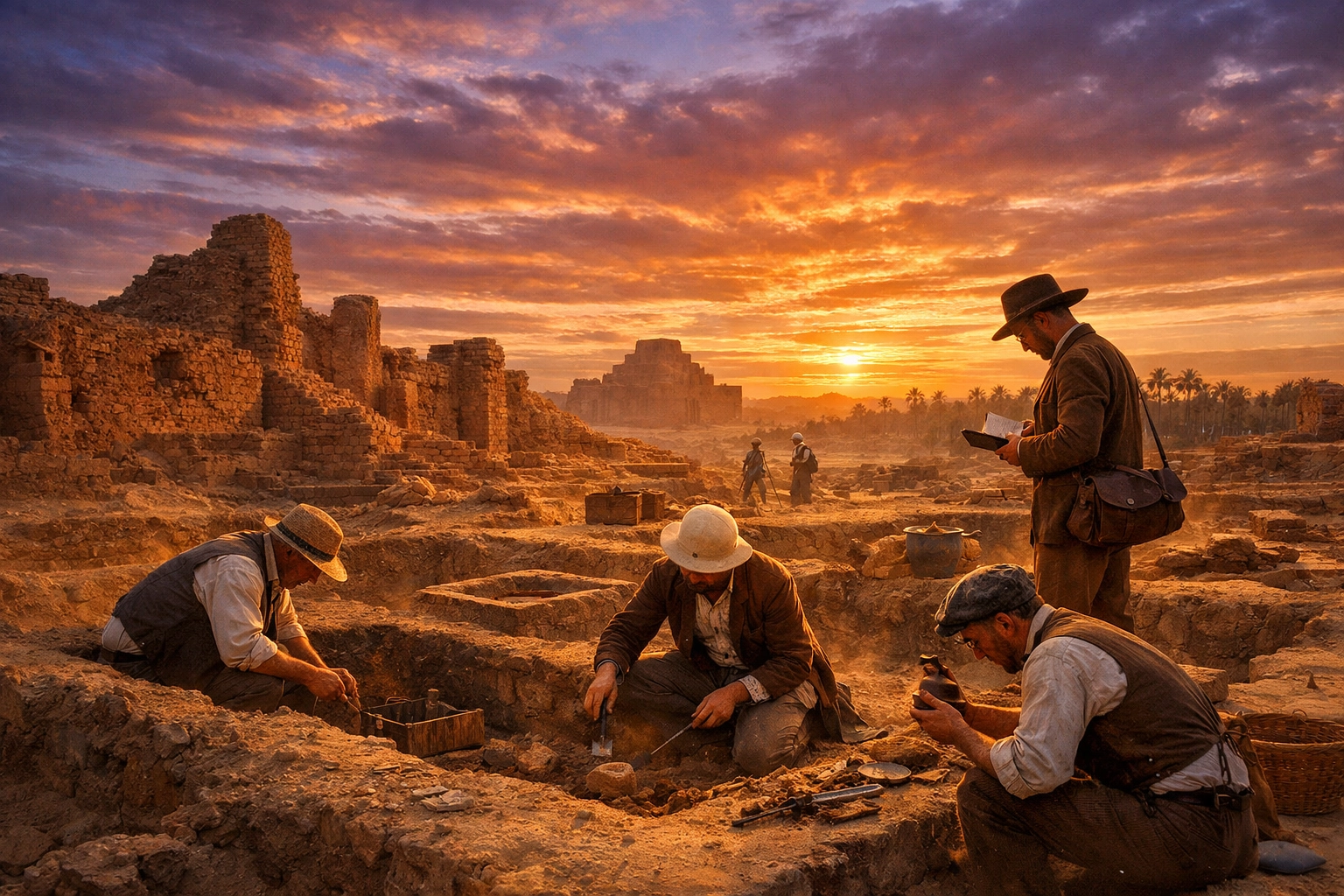
In 1879, British archaeologist Hormuzd Rassam was excavating the ancient ruins of Babylon in modern-day Iraq. Among the rubble and debris, he unearthed a barrel-shaped clay cylinder inscribed with Akkadian cuneiform, the diplomatic language of the ancient Near East. It had been commissioned by Cyrus the Great himself, the Persian king who conquered Babylon in 539 BC.
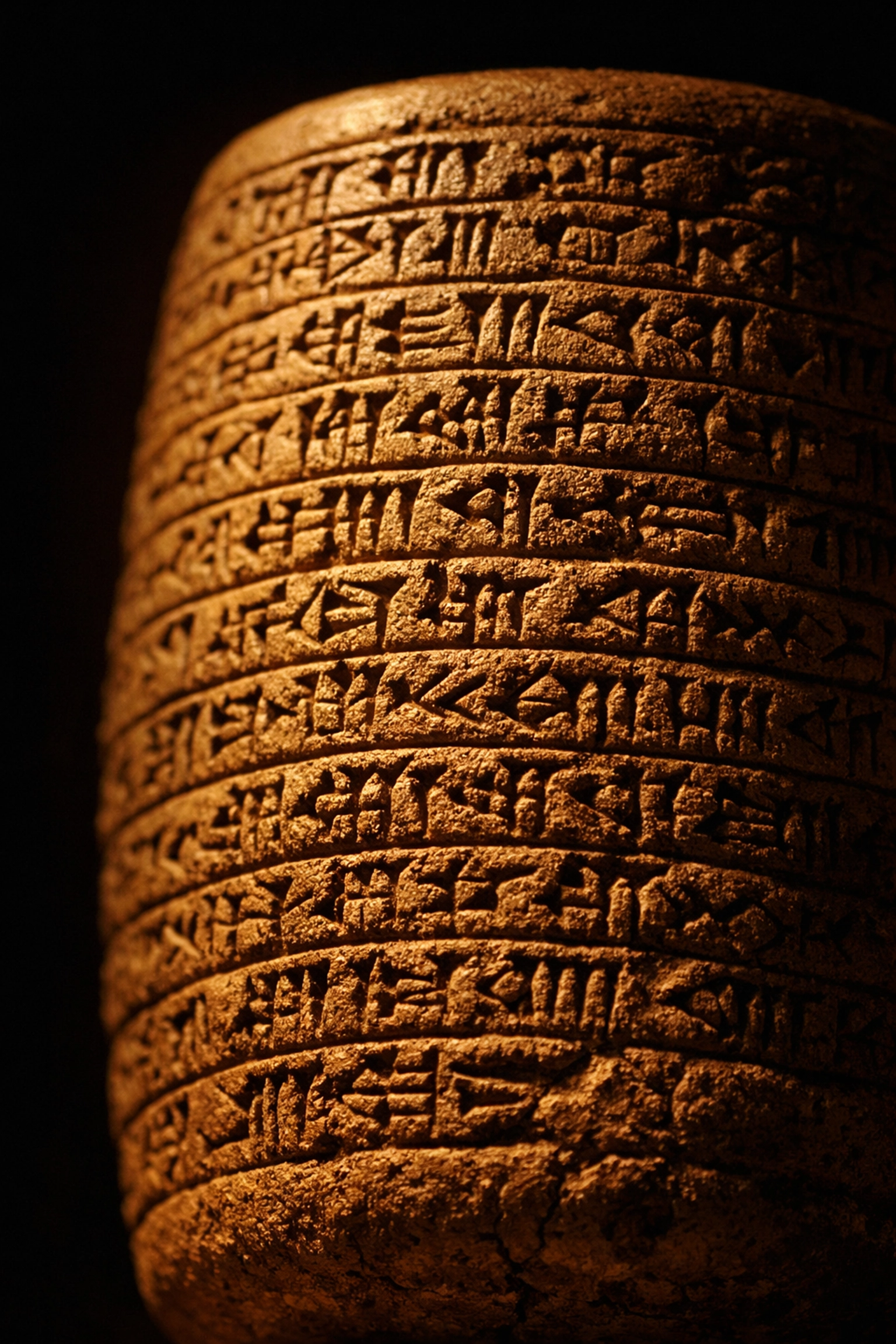
When scholars finally translated the inscription, they realized they were reading Cyrus's own account of his conquest and his subsequent policy toward the peoples who had been displaced by the Babylonian Empire. And here's where it gets really interesting for those of us who take the Bible seriously.
What Does the Cylinder Actually Say?
The Cyrus Cylinder records the Persian king's revolutionary approach to governance. Unlike the brutal Babylonian rulers before him, Cyrus didn't force conquered peoples to worship his gods or destroy their temples. Instead, the inscription describes how he:
- Restored sacred statues to their original shrines
- Allowed displaced peoples to return to their homelands
- Rebuilt temples that had been destroyed
- Proclaimed freedom throughout his empire
One particular passage reads: "I returned to sacred cities on the other side of the Tigris, the sanctuaries of which have been ruins for a long time, the images which used to live therein and established for them permanent sanctuaries. I also gathered all their former inhabitants and returned to them their habitations."
Sound familiar?
The Biblical Connection
Now let's look at what the Bible says happened. The book of Ezra opens with these words:
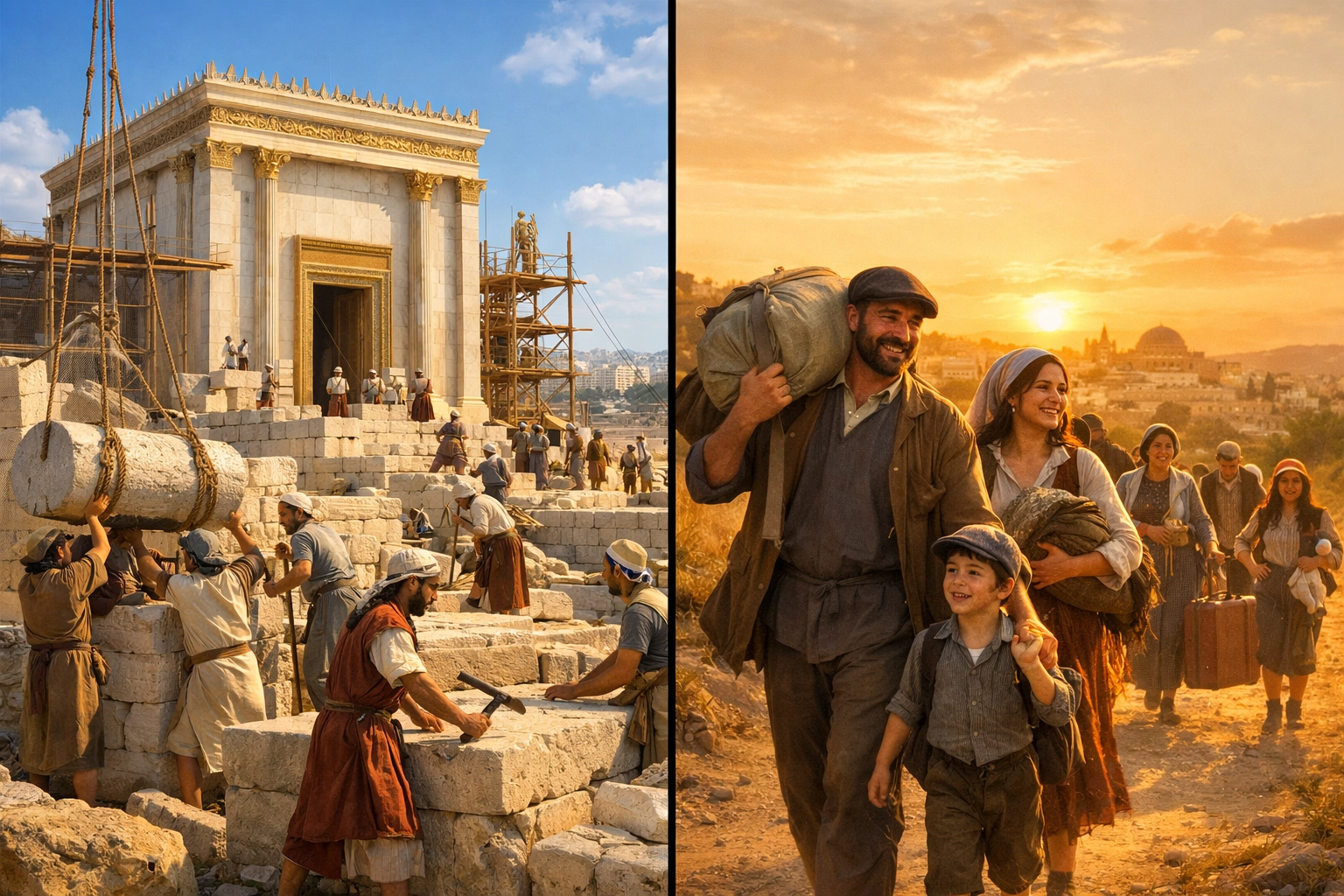
"In the first year of Cyrus king of Persia, in order to fulfill the word of the Lord spoken by Jeremiah, the Lord moved the heart of Cyrus king of Persia to make a proclamation throughout his realm and also to put it in writing: 'This is what Cyrus king of Persia says: The Lord, the God of heaven, has given me all the kingdoms of the earth and he has appointed me to build a temple for him at Jerusalem in Judah. Any of his people among you may go up to Jerusalem in Judah and build the temple of the Lord, the God of Israel, the God who is in Jerusalem, and may their God be with them.'" (Ezra 1:1-3)
The biblical narrative tells us that the Jewish people had been exiled to Babylon by King Nebuchadnezzar decades earlier. The prophet Jeremiah had predicted they would return after 70 years. And right on schedule, Cyrus conquered Babylon and issued a decree allowing the Jews to go home and rebuild their temple.
For centuries, skeptics questioned whether this really happened. Was Cyrus even a real person? Did he actually issue such a decree? Or was this just religious wishful thinking written down centuries later?
The Cyrus Cylinder answered those questions definitively.
The Corroboration
Here's what makes this discovery so significant: we now have an extra-biblical, contemporary source that corroborates the biblical account. The Cylinder proves that:
- Cyrus was a real historical figure who conquered Babylon in 539 BC
- His policy of repatriation was historically accurate, he really did allow displaced peoples to return home
- The restoration of religious sites was part of his actual governing strategy
- The biblical timeline is correct, this happened exactly when the Bible says it did
Now, I need to be honest with you about one thing. The Cyrus Cylinder doesn't specifically mention the Jews by name. It describes Cyrus's general policy toward all conquered peoples. But that's actually what makes it so credible. This wasn't propaganda written to support the biblical narrative, it was a Persian document that happened to confirm what the Bible had been saying all along.
The prophet Isaiah, writing about 150 years before Cyrus was even born, predicted exactly this outcome: "This is what the Lord says to his anointed, to Cyrus, whose right hand I take hold of to subdue nations before him… I will raise up Cyrus in my righteousness: I will make all his ways straight. He will rebuild my city and set my exiles free" (Isaiah 45:1, 13).
Think about that for a moment. Isaiah named Cyrus, by name, more than a century before he was born, and predicted exactly what he would do.
Why This Matters Today
I know some people might be thinking, "Okay, that's cool history, but why should I care about a clay cylinder from 539 BC?"
Here's why it matters: every time archaeology validates the biblical narrative, it strengthens our confidence that we're dealing with real history, not mythology. The Bible isn't a collection of nice stories or spiritual allegories: it's rooted in actual events that happened to real people in real places.
When studying theology, some insist that much of the Old Testament was written centuries after the events it describes, essentially making it unreliable as a historical source. But discoveries like the Cyrus Cylinder keep proving them wrong. The biblical writers got the details right: the names, the dates, the political situations, the cultural practices.
And if the Bible is reliable about these verifiable historical details, doesn't that give us reason to trust what it says about the things we can't verify? About God's character? About His promises? About His plan for redemption?
The Bigger Picture
The story of Cyrus and the Jewish return from exile isn't just about ancient Near Eastern politics. It's about God keeping His promises. The Jewish people had been told they would be in exile for 70 years. Not 50, not 100: exactly 70 years. And at the end of that period, God raised up a pagan king who had never even heard of the God of Israel, and moved his heart to fulfill prophecy.
That's the God we serve. He's not limited by circumstances or human opposition. He can work through anyone: even a Persian emperor who worshiped different gods: to accomplish His purposes.
The Cyrus Cylinder sits in that museum as a silent witness to this truth. Every day, thousands of people walk past it without realizing they're looking at physical proof that God keeps His word.
